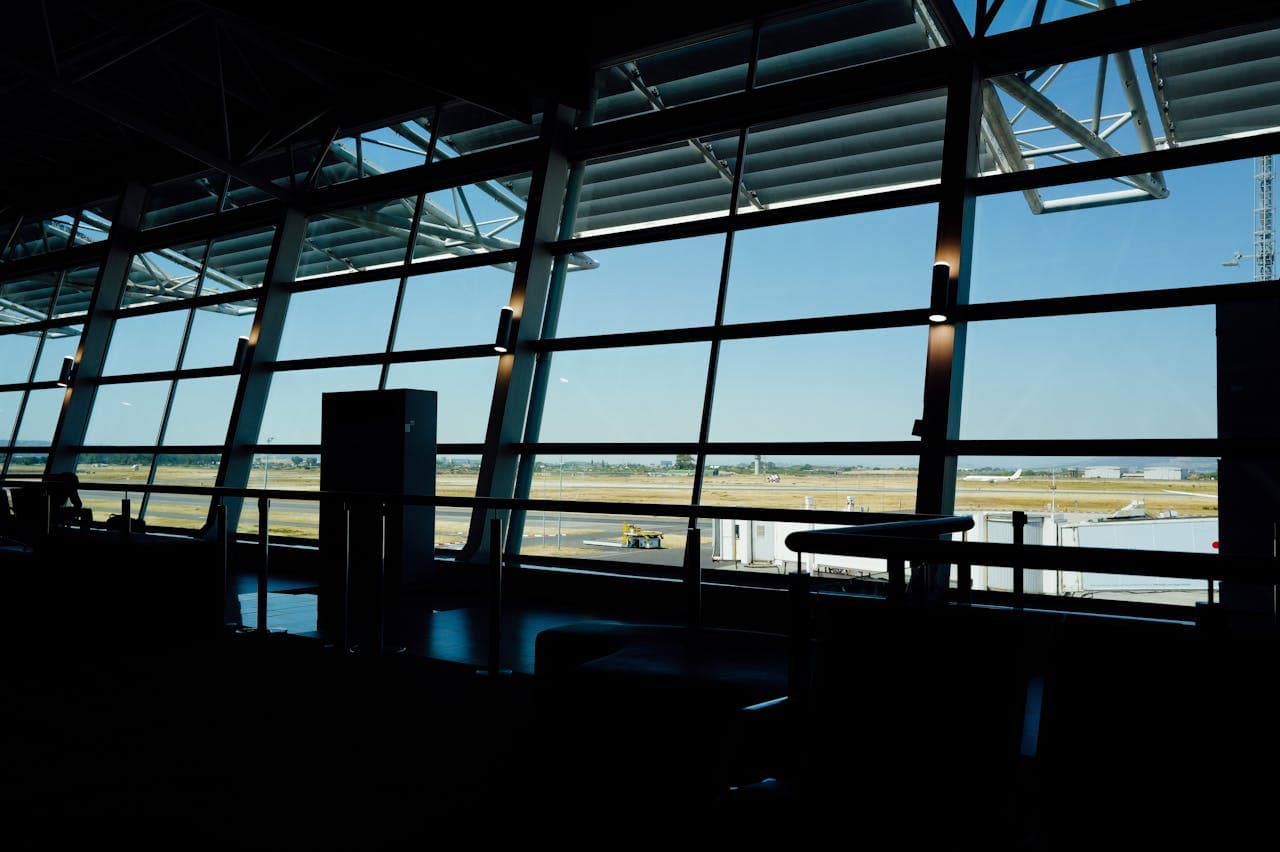
Sabiha Gokcen International Airport (SAW) is Istanbul's second major airport, serving the vast Asian side of the city from its location in the Pendik district, approximately 40 kilometres southeast of central Istanbul. Named after Sabiha Gokcen, the world's first female combat pilot, the airport opened in 2001 and has grown explosively to handle approximately 35 million passengers annually through its two terminals — a domestic terminal and an international terminal connected by a central processing area. Sabiha Gokcen is the primary hub of Pegasus Airlines, Turkey's largest low-cost carrier, and serves as a critical base for budget operations connecting Turkey to Europe, the Middle East, Central Asia, and North Africa.
While Istanbul Airport (IST) on the European side captures the headlines with its mega-terminal and Turkish Airlines dominance, Sabiha Gokcen has carved out an equally vital role in Istanbul's aviation ecosystem. For the roughly 10 million residents of Istanbul's Asian districts — Kadikoy, Uskudar, Maltepe, Pendik, Tuzla, and beyond — SAW is the natural and geographically proximate airport choice. Its growth has been driven by Pegasus Airlines' aggressive expansion and the broader surge in budget air travel across Turkey and the region.
However, Sabiha Gokcen faces operational challenges that make it one of the most disruption-prone airports in the eastern Mediterranean. A single runway handling over 500 daily movements, a geographical position in the fog-prone Kocaeli basin, and the intense turnaround pressure of budget carrier operations create a perfect storm of delay factors. For passengers experiencing disruptions at SAW, understanding the complex interplay between EU261 and Turkish law is essential for pursuing compensation.