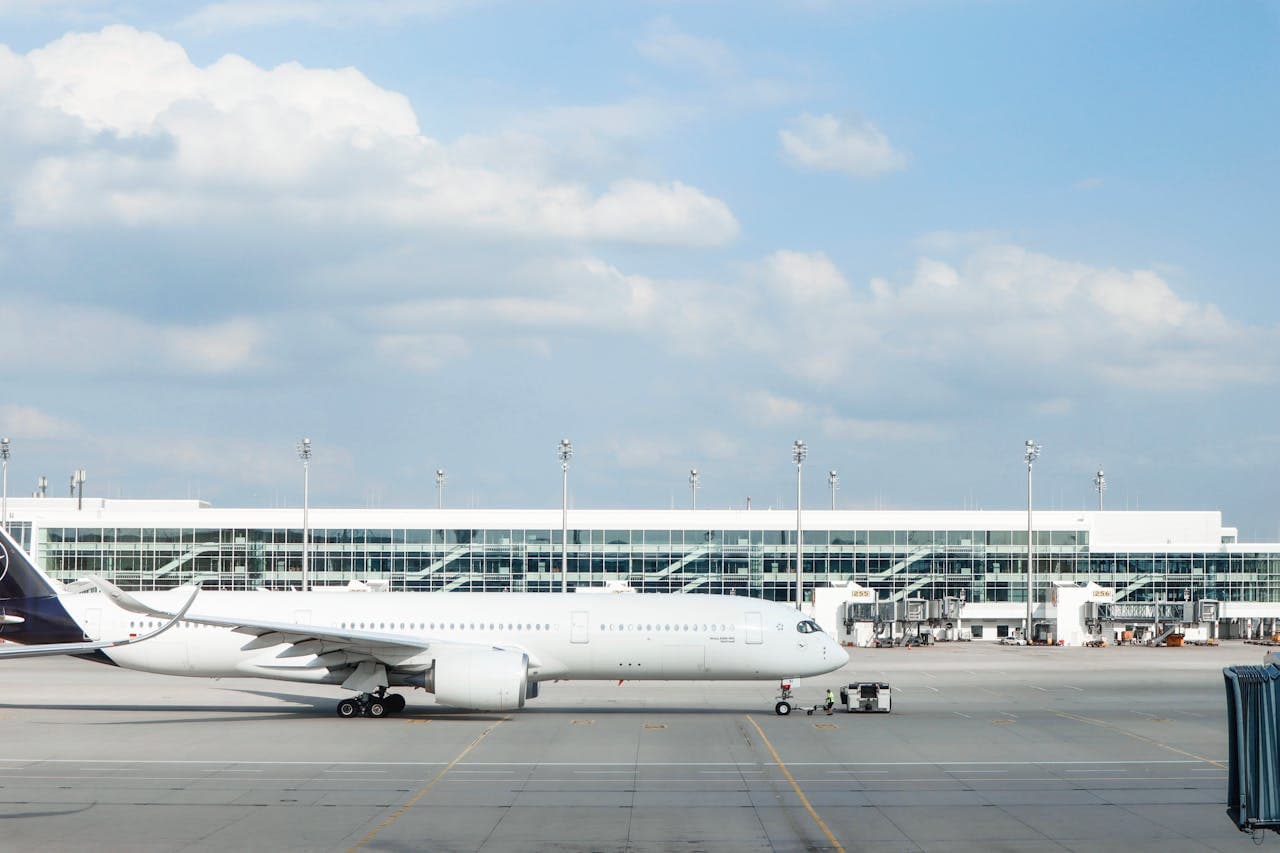

Rijeka Airport (RJK) is Croatia's most unusual commercial airport. It doesn't sit near Rijeka, Croatia's third-largest city. It sits on Krk — an island in the Kvarner Bay, connected to the mainland by a single bridge that, in one of aviation's great ironies, sometimes closes when the very wind that disrupts the airport reaches its most ferocious. With approximately 200,000 passengers annually, Rijeka is Croatia's second-smallest commercial airport. But what it lacks in size, it makes up for in the sheer intensity of its meteorological challenges.
The Kvarner Bay is where the bora reaches its Croatian peak. Hemmed in between the Istrian peninsula to the west and the mountainous mainland coast to the east, the bay acts as a massive wind tunnel. Cold continental air pouring over the Dinaric Alps is compressed and accelerated through this gap, producing bora winds that regularly exceed 120 km/h and, in extreme events, surpass 150 km/h. At Rijeka Airport, on the island's flat southwestern coast, these winds arrive with devastating effect — rattling aircraft on the apron, making approaches impossible, and occasionally stranding not just flights but entire populations.
Because when the bora is at its worst, the Krk Bridge — the only road link between the island and the mainland — closes to traffic. In those moments, the airport is truly isolated: flights cannot operate, passengers cannot leave, and the outside world feels very far away.
If your flight at Rijeka Airport was delayed, cancelled, or you were denied boarding, you're entitled to up to €600 in compensation. This guide covers the unique dynamics of Croatia's island airport and what they mean for your claim.