New Airport Operational Challenges
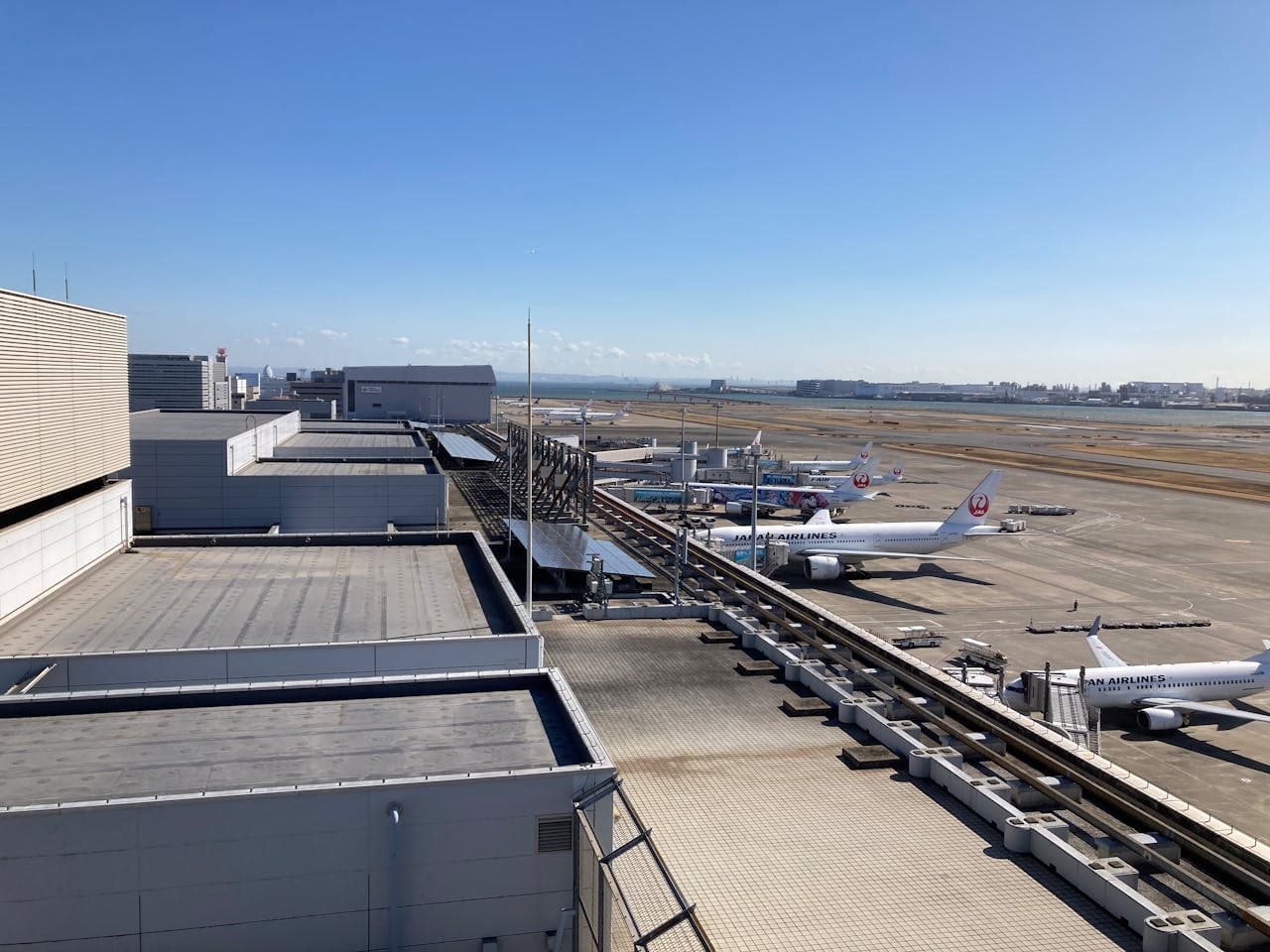
The single most significant disruption factor at Radom is that the airport is in the early stages of commercial operations. Every new airport — regardless of how well-planned the conversion — faces a period of operational development during which:
- Ground handling teams build experience: Loading baggage, fuelling aircraft, managing turnarounds, and processing passengers at a new airport takes time to optimise. Initial operations are typically slower and more error-prone than at established airports
- Systems integration matures: The interaction between check-in systems, security screening, boarding processes, air traffic control, and ground handling requires fine-tuning that can only happen through live operations
- Capacity limits are tested: The theoretical capacity of the terminal, apron, and runway is one thing; the practical capacity under real-world conditions with actual passenger volumes, weather events, and operational pressures is another
- Staff gain familiarity: Airport staff, airline ground crews, air traffic controllers, and security personnel all require time to develop the familiarity and efficiency that characterise mature airport operations
Claim impact: All of these early-stage operational challenges are foreseeable. Airlines that choose to be among the first to operate from a newly opened airport accept these risks as part of their commercial strategy. A ground handling delay, a security processing bottleneck, or a turnaround overrun at Radom is squarely within the airline's operational domain — not an extraordinary circumstance.
The Radom Industrial City Context
Radom itself is an industrial city with a complex economic history. Once a major manufacturing centre, the city experienced significant economic decline after the post-communist transition. While Radom has been gradually diversifying its economy, it does not have the tourism infrastructure, hotel capacity, or transport connectivity of a major city.
This matters when flights are disrupted because:
- Hotel availability is limited compared to Warsaw or other major Polish cities, meaning overnight accommodation for stranded passengers may be harder to arrange
- Alternative transport options are scarce — no direct airport rail link, limited local bus services, and the primary onward connection is by road to Warsaw
- The passenger catchment area is dispersed — passengers using Radom may have travelled from Warsaw (100 km), Kielce (85 km), Lublin (130 km), or other cities, making stranding at Radom particularly inconvenient
Claim impact: These factors do not affect compensation amounts but significantly strengthen your right-of-care claims. When an airline strands passengers at an airport with limited local facilities, the obligation to proactively arrange meals, accommodation, and transport is heightened. If the airline failed to provide adequate care at Radom, your expense reimbursement claims are well-supported.
Weather Conditions in Central Poland
Radom sits in the central Polish lowlands, an area with a transitional climate between maritime and continental influences. This produces:
- Cold winters with temperatures regularly dropping below -10 degrees Celsius, requiring aircraft de-icing from November through March
- Summer thunderstorms that develop over the flat terrain, particularly in June through August, sometimes producing intense rainfall and gusty winds
- Autumn and spring fog in the river valleys surrounding Radom, occasionally reducing visibility below instrument approach minimums
- Variable winds from multiple directions, though the 3,000-metre runway provides good tolerance for crosswind conditions
| Season | Weather Risk | Impact on Operations | Extraordinary? |
|---|
| Winter (Nov–Mar) | Snow, ice, extreme cold | De-icing delays, runway clearance | Rarely — standard Polish winter |
| Spring (Apr–May) | Variable conditions, late frost | Occasional disruptions | Almost never — seasonal norm |
| Summer (Jun–Aug) | Thunderstorms, heavy rain | Temporary operational pauses | Only if unprecedented severity |
| Autumn (Sep–Oct) | Fog, early frost | Reduced visibility, approach restrictions | Rarely — documented regional pattern |
Claim impact: Central Poland's weather patterns are exhaustively documented. Airlines operating from Radom have access to comprehensive climatological data. Scheduling flights without adequate weather buffers for known seasonal conditions is an airline planning failure, not an extraordinary circumstance.
Very Limited Route Network and Rebooking Constraints
Perhaps the most practically significant factor for Radom passengers is the extremely limited route network. With only a handful of destinations served — and some routes operating only a few times per week — the rebooking options when a flight is disrupted are extraordinarily constrained.
At a major hub like Warsaw Chopin, a cancelled flight to London might be accommodated on one of several daily departures by multiple airlines. At Radom, if your flight is cancelled, there may literally be no alternative for several days. The airline's EU261 obligation to offer re-routing by the earliest available means may require them to transport you to Warsaw Chopin or another airport entirely — a costly and time-consuming process for the airline, but one they are legally obligated to arrange and fund.
Claim impact: Route network limitations are a direct consequence of the airline's commercial decisions about where and how frequently to operate. Insufficient frequency to provide reasonable rebooking alternatives when disruptions occur is an operational planning issue. Your right to re-routing is absolute, and the airline must bear all associated costs.