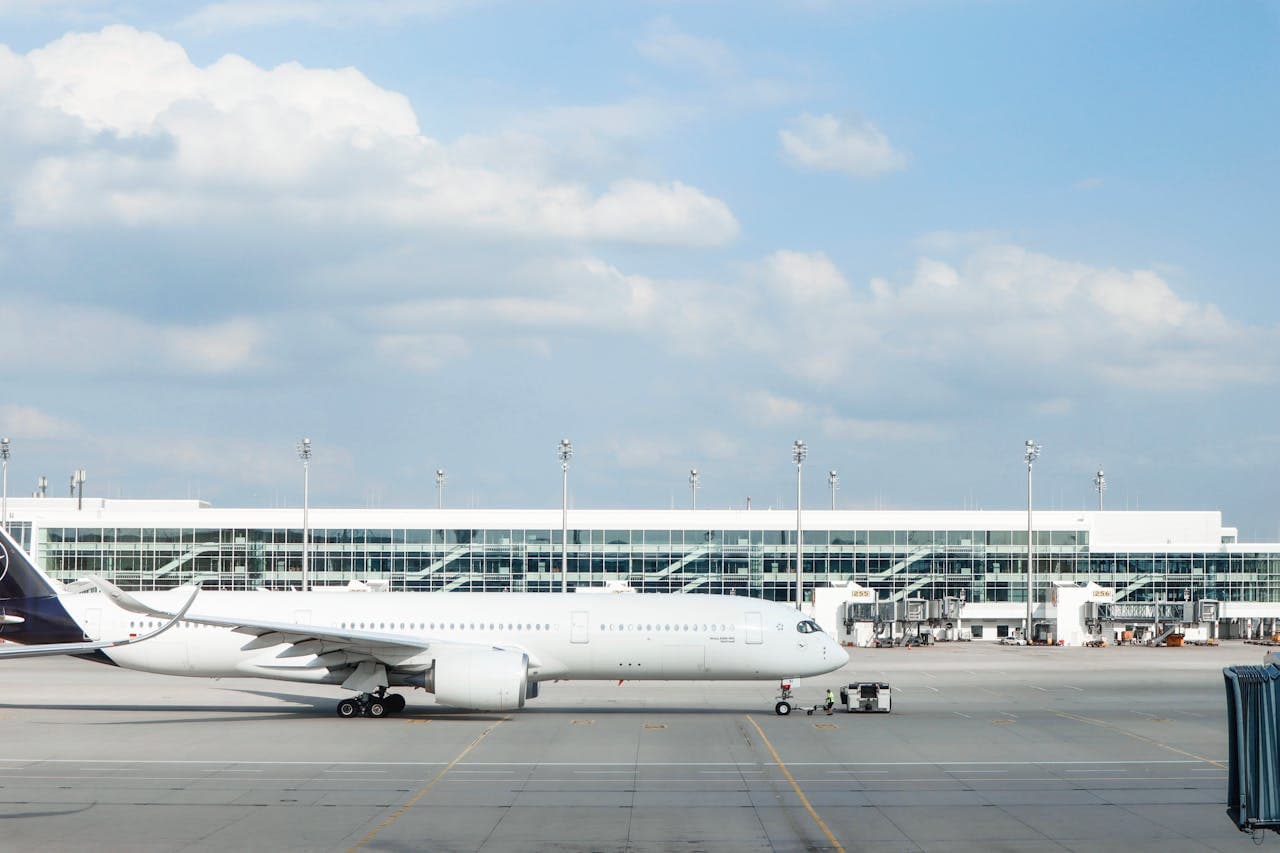
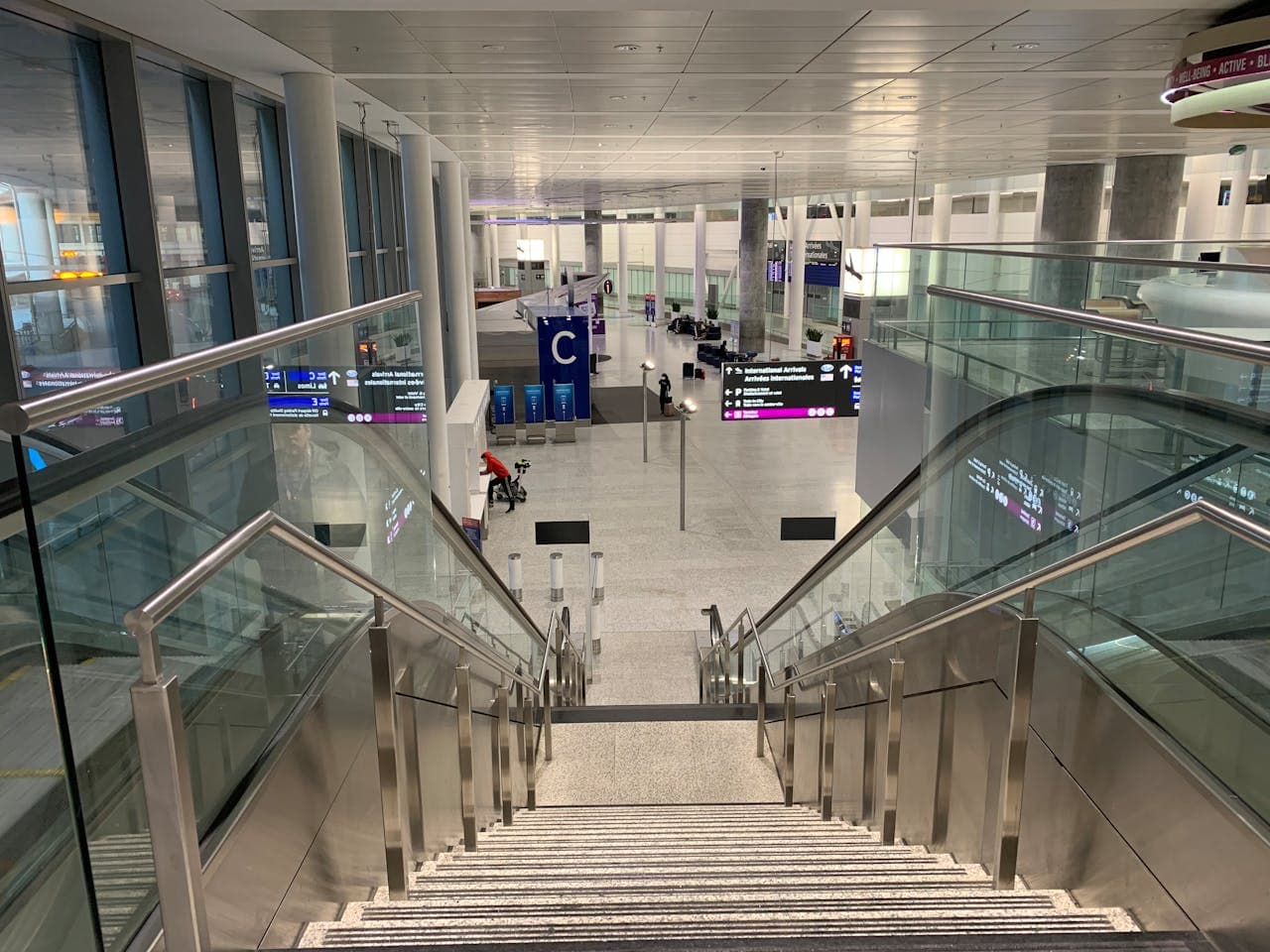
Jersey Airport (JER) is the primary air gateway to the largest of the Channel Islands, a Crown Dependency that occupies a unique constitutional position: it is neither part of the United Kingdom nor the European Union. Located at St Peter, in the geographic centre of the island, Jersey Airport handles approximately 2 million passengers annually — a remarkable number for an island of just 9 miles by 5 miles with a population of around 103,000.
Jersey's status as an international finance centre means the airport serves a dual purpose: it is both a business travel hub connecting the island's banking and legal sectors to London and European cities, and a leisure gateway for tourists drawn to Jersey's stunning coastline, mild climate, and rich Norman heritage. Airlines including easyJet, British Airways, Blue Islands, and Aurigny connect Jersey to destinations across the UK, France, and beyond.
The airport's single runway (09/27) stretches 1,706 metres along the island's southern plateau, with approaches over St Aubin's Bay to the west and open countryside to the east. Jersey's position in the English Channel — just 22 kilometres from the French coast — creates one of the airport's defining operational challenges: sea fog. Advection fog rolls in from the Channel with little warning and can shut down operations for hours or even days, stranding thousands of passengers on a small island with limited accommodation.
Understanding your compensation rights at Jersey Airport requires navigating a unique legal landscape. Jersey is not covered by UK261 or EU261 directly. Instead, the States of Jersey have enacted their own air passenger rights legislation that mirrors UK261 and provides equivalent protections. If your flight was delayed, cancelled, or overbooked, you are protected — but through Jersey's own legal framework.