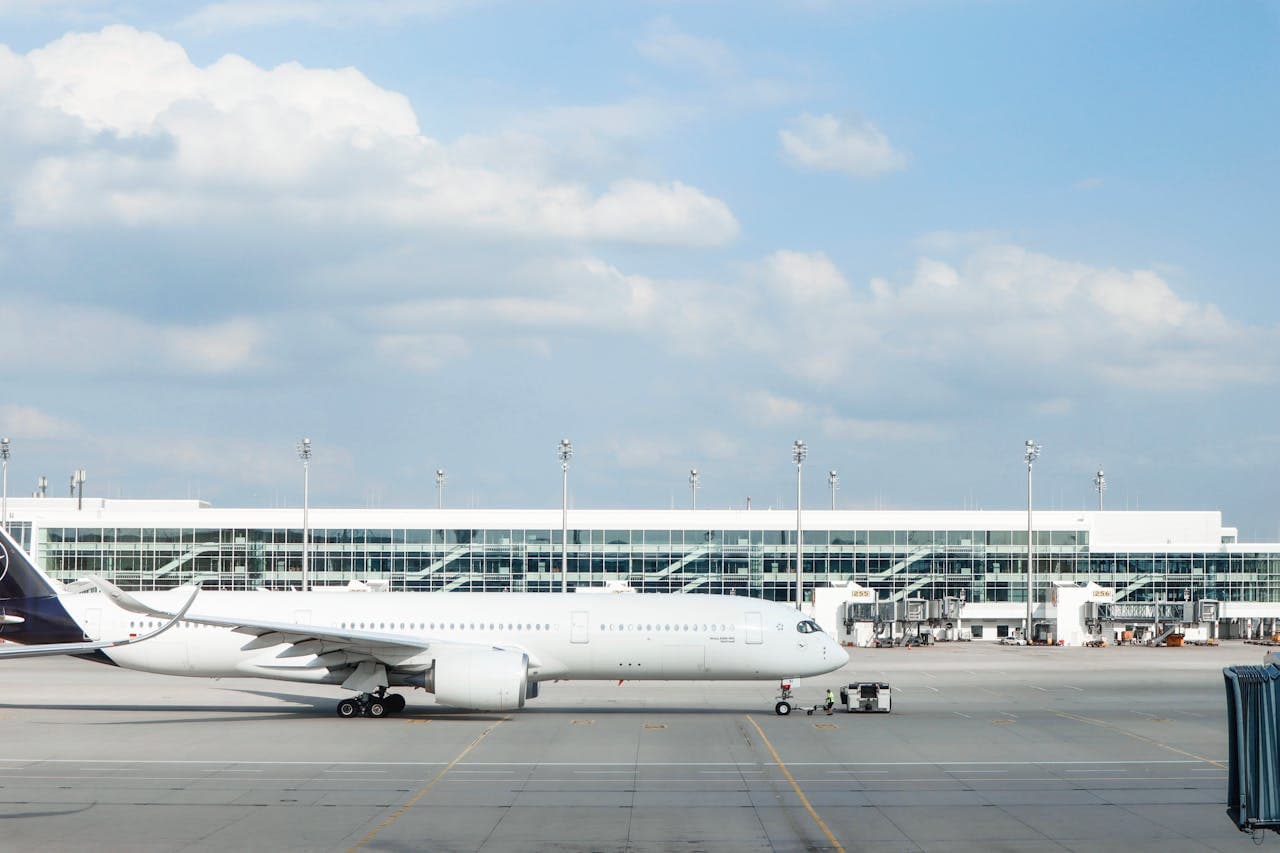
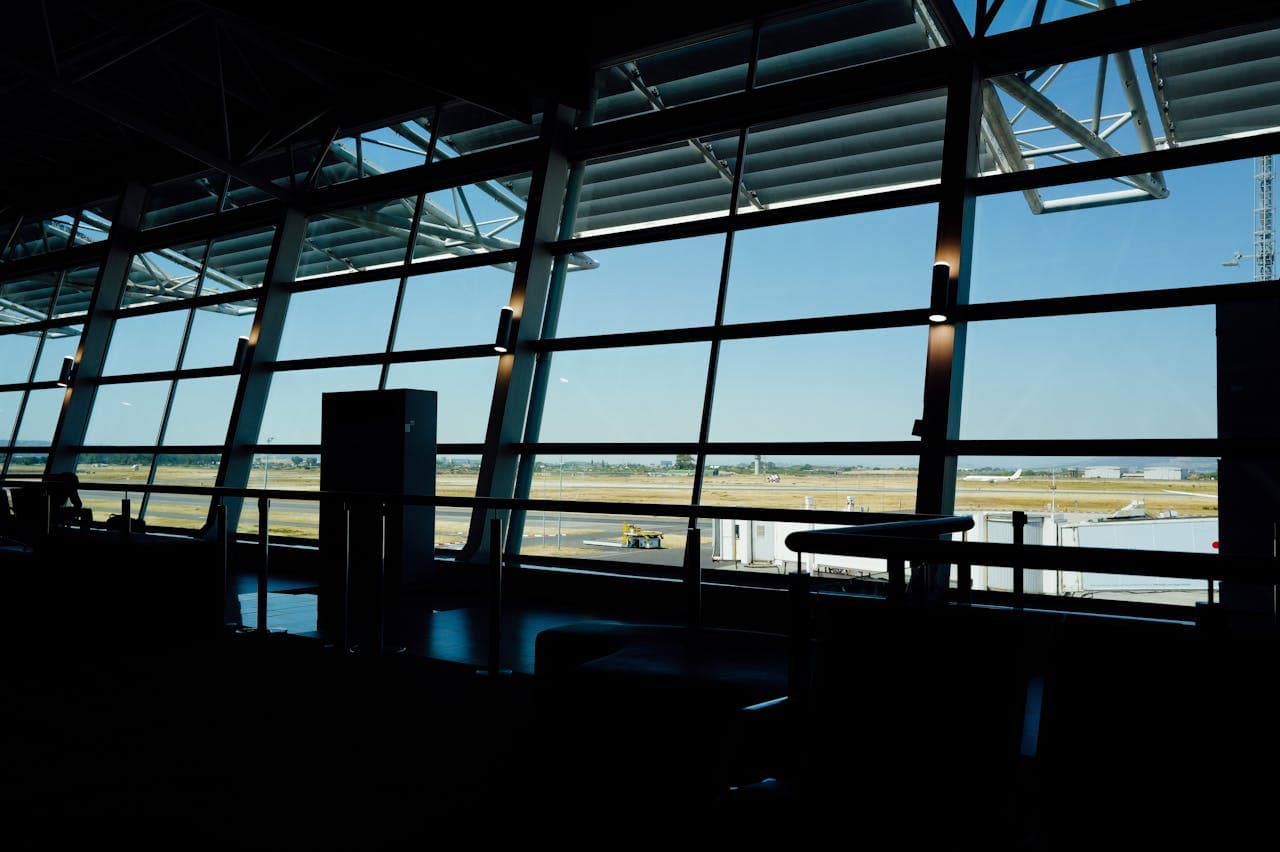
Ordu-Giresun Airport (OGU) is one of the most architecturally remarkable airports in Europe and the Middle East — and arguably in the world. Opened on 23 May 2015, it was the first airport in Turkey to be built on an artificial island, a 1.3-kilometre platform constructed entirely in the Black Sea approximately 2.5 kilometres off the coast of Giresun. The project arose from a fundamental geographical challenge: the eastern Black Sea coast between Ordu and Giresun is defined by steep mountain ridges dropping almost directly to the shoreline, leaving no flat land suitable for a standard runway. Rather than tunnel through mountains or demolish coastal hillsides, Turkish engineers chose to build the airport on the sea itself.
The result is an airport unlike almost any other in Europe. From the terminal building — which sits on the landward end of the artificial island, connected to the Giresun mainland by a causeway — passengers look out across open Black Sea in every direction. The single runway, designated 12/30 and stretching 3,000 metres, is entirely surrounded by water. This extraordinary setting generates both the airport's appeal and its most persistent operational challenge: a runway fully exposed to the Black Sea's notoriously volatile maritime weather.
If your flight at OGU was delayed by more than three hours on arrival, cancelled with less than 14 days' notice, or you were denied boarding through no fault of your own, you may be entitled to up to €600 per passenger in compensation under EU Regulation 261/2004. This guide explains exactly when the regulation applies to OGU, what the weather risks mean for your claim, and how to recover the money you are owed.