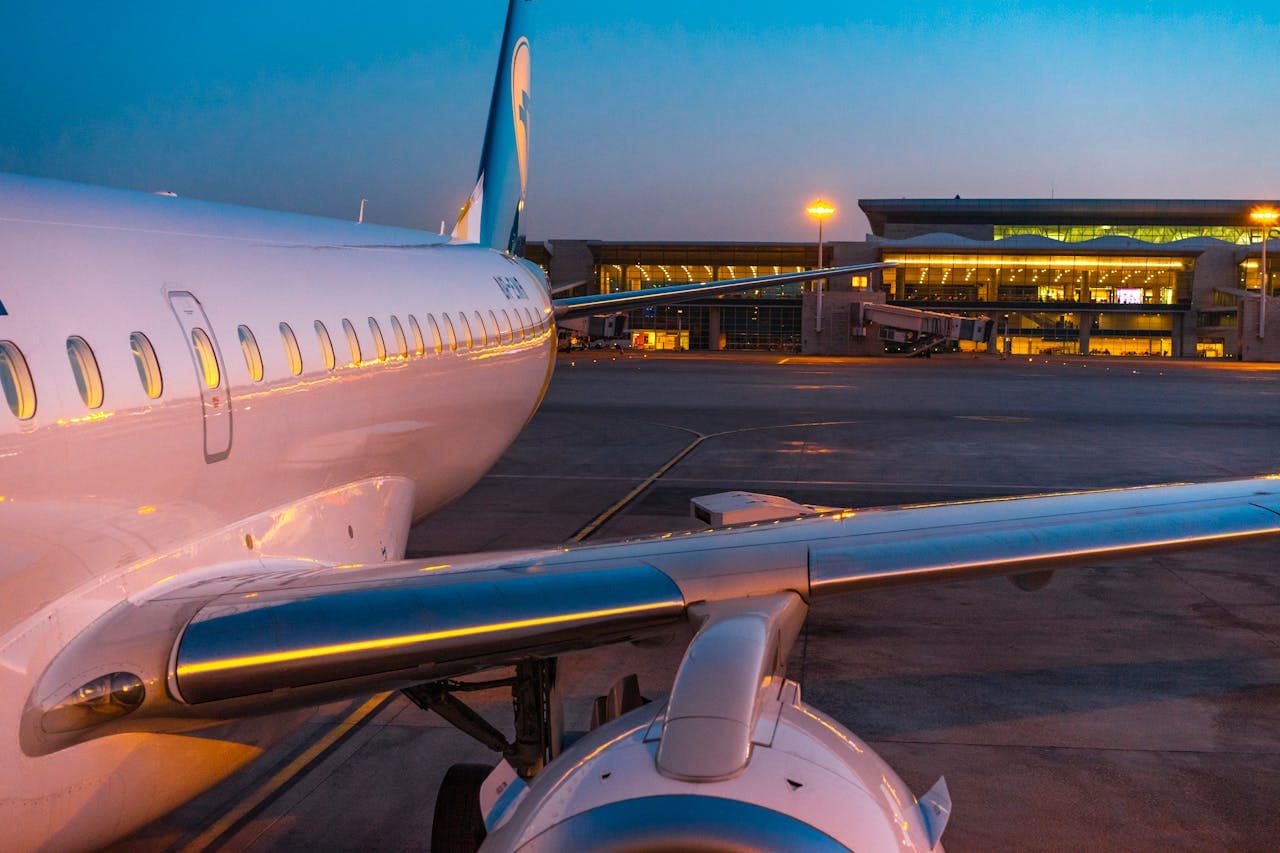
Inverness Airport (INV) is the principal gateway to the Scottish Highlands, one of the most spectacular and remote regions in Western Europe. Located at Dalcross, approximately 15 kilometres east of Inverness city centre, the airport handles around 1 million passengers annually. While small by UK standards, Inverness Airport plays an outsized role in Highland life — it is a tourism gateway, a business connector, a medical transport hub, and a lifeline for communities across the north of Scotland.
The airport's importance has surged in recent years thanks to the North Coast 500, a 516-mile scenic driving route that has become one of Britain's top tourist attractions. Visitors from across the UK and Europe fly into Inverness as their starting point for this iconic road trip, and the seasonal demand has brought new routes and carriers to the airport. easyJet, British Airways, Loganair, and KLM (via Amsterdam) all serve Inverness, connecting the Highlands to London, the Scottish Central Belt, and continental Europe.
But Inverness Airport also faces challenges that make flight disruptions both common and exceptionally inconvenient. Highland weather is harsh and unpredictable. The airport's single runway limits capacity. And the sheer remoteness of the location means that when things go wrong, passengers have very few alternatives. The nearest comparable airports — Aberdeen (166 km east) and Edinburgh (253 km south) — require long drives through sparsely populated territory.
If your flight at Inverness was delayed by more than 3 hours, cancelled without adequate notice, or you were denied boarding, you are likely entitled to up to £520 (€600) in compensation under UK261. Crucially, Scotland has a shorter time limit for claims — 5 years instead of 6 — making early action essential.