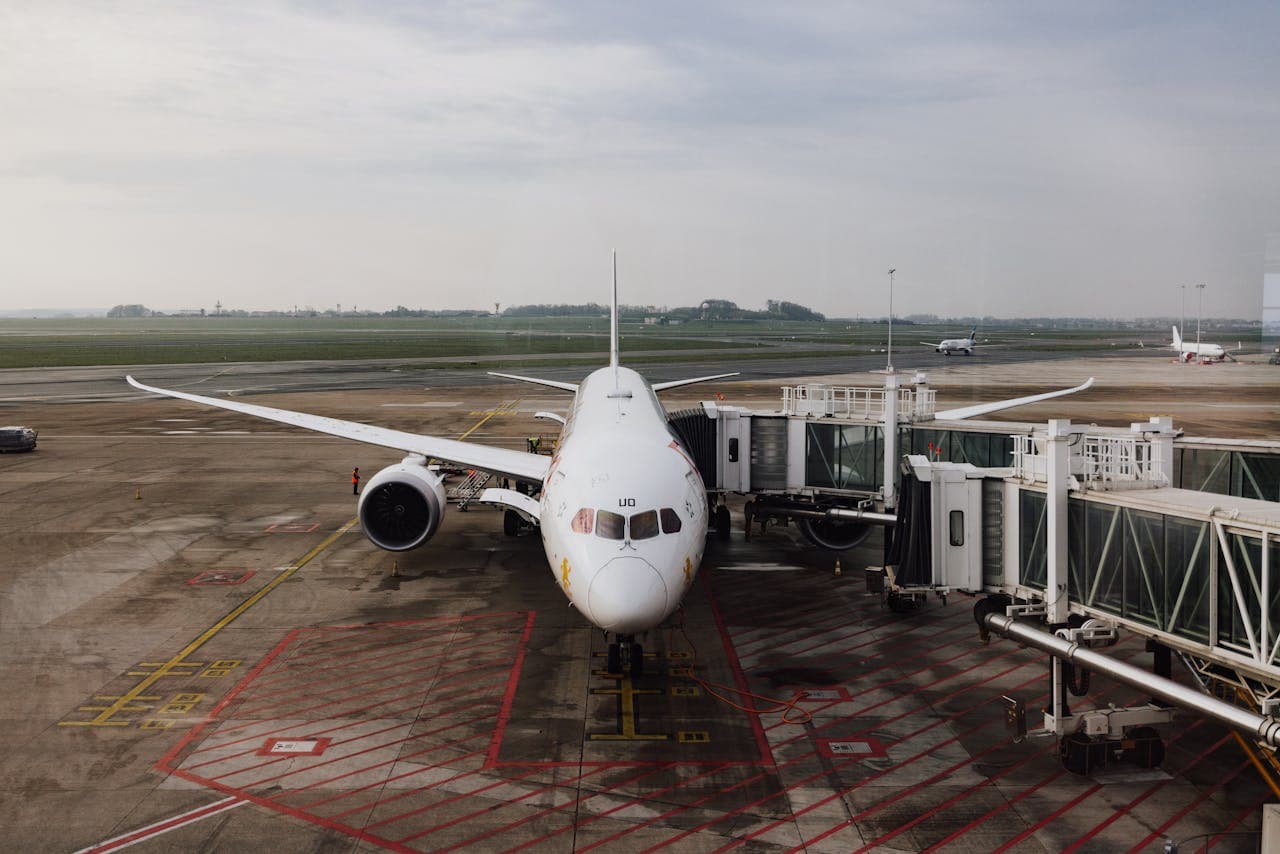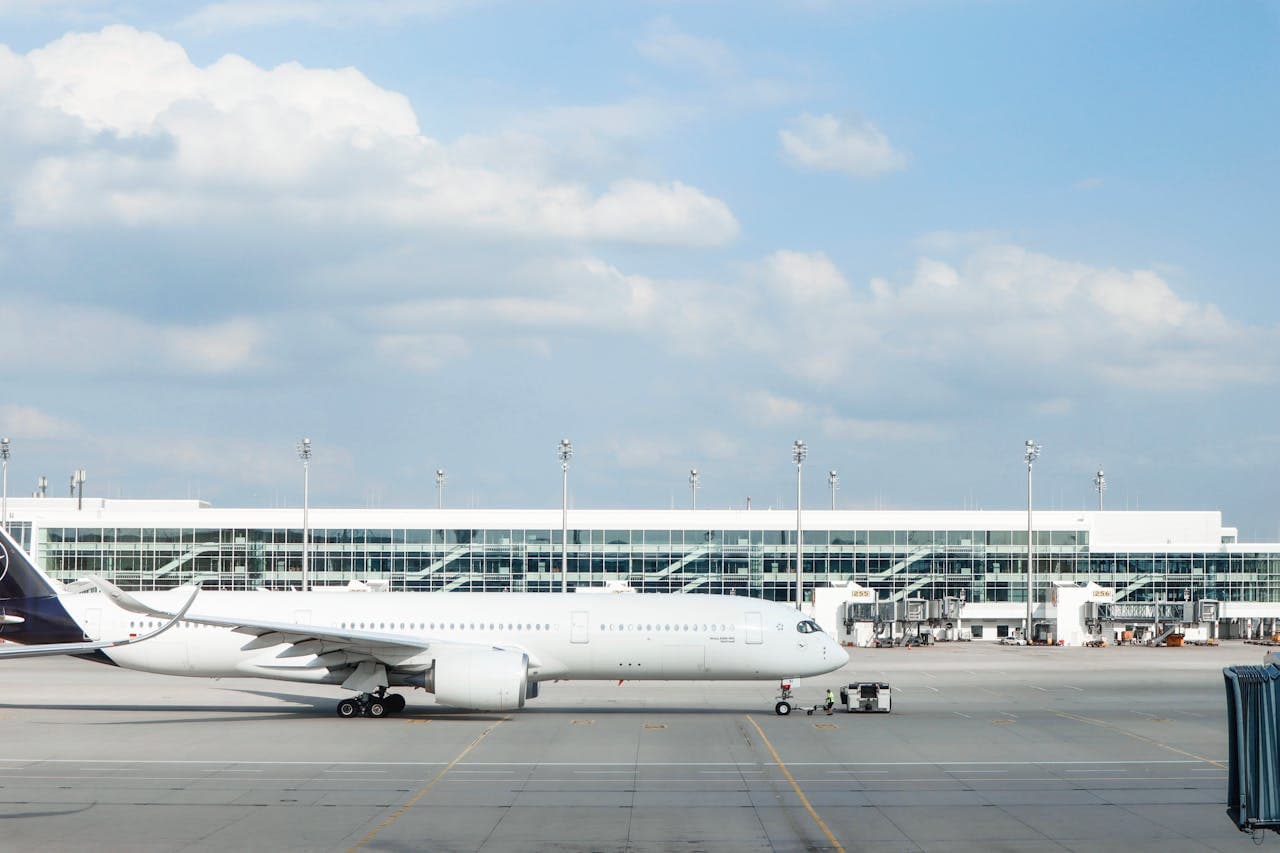
Florence Peretola Airport — officially named Amerigo Vespucci International Airport (IATA: FLR) after the Florentine explorer who gave his name to two continents — is one of the most operationally constrained commercial airports in Europe. Situated just four kilometres northwest of Florence's historic centre in the Peretola district, the airport serves approximately five million passengers annually, connecting Tuscany's art capital to major European cities and a growing number of intercontinental destinations. Its location, hemmed in by the urban sprawl of Florence to the east, the Arno river valley to the south, and the rising Apennine foothills beyond, defines both its character and its limitations.
The dominant fact about FLR — the one that shapes every operational decision made there — is the runway. At 1,700 metres, Florence Peretola's single strip is one of the shortest jet-capable commercial runways in continental Europe. For comparison, Rome Fiumicino's longest runway stretches 3,900 metres; Milan Malpensa operates two runways each exceeding 3,600 metres. Even Pisa, Florence's backup airport, has a 3,000-metre runway. The 1,700-metre constraint at FLR is not a temporary situation or a pending infrastructure problem — it is a fixed geographic and urban reality that limits aircraft size, restricts payload, and creates acute slot pressure throughout every operating day.
If your flight at Florence was delayed more than three hours on arrival, cancelled with fewer than 14 days' notice, or you were bumped due to overbooking, you are almost certainly entitled to up to €600 per passenger in compensation under EU Regulation 261/2004. Italy enforces this regulation through ENAC, and the Italian two-year limitation period makes prompt action essential.